Acetate or viscose – which material is better to choose?
Consumer awareness is steadily increasing, which is why there's a growing search for alternatives to the commonly used polyester. Materials such as viscose and acetate are gaining popularity in the textile industry. These materials are significantly cheaper to obtain than silk and are also suitable for vegans, as they are made from plant fibers. Thanks to their natural raw material, they are highly breathable, ensuring proper thermoregulation. The classification of materials is misleading for many. Viscose and acetate are synthetic fabrics, which may suggest they are made from petroleum and its derivatives. In reality, they are made from cellulose using chemical solvents. Acetate or viscose – which material will work better in your wardrobe? Read this article to help you decide!
Acetate and viscose – common features and differences
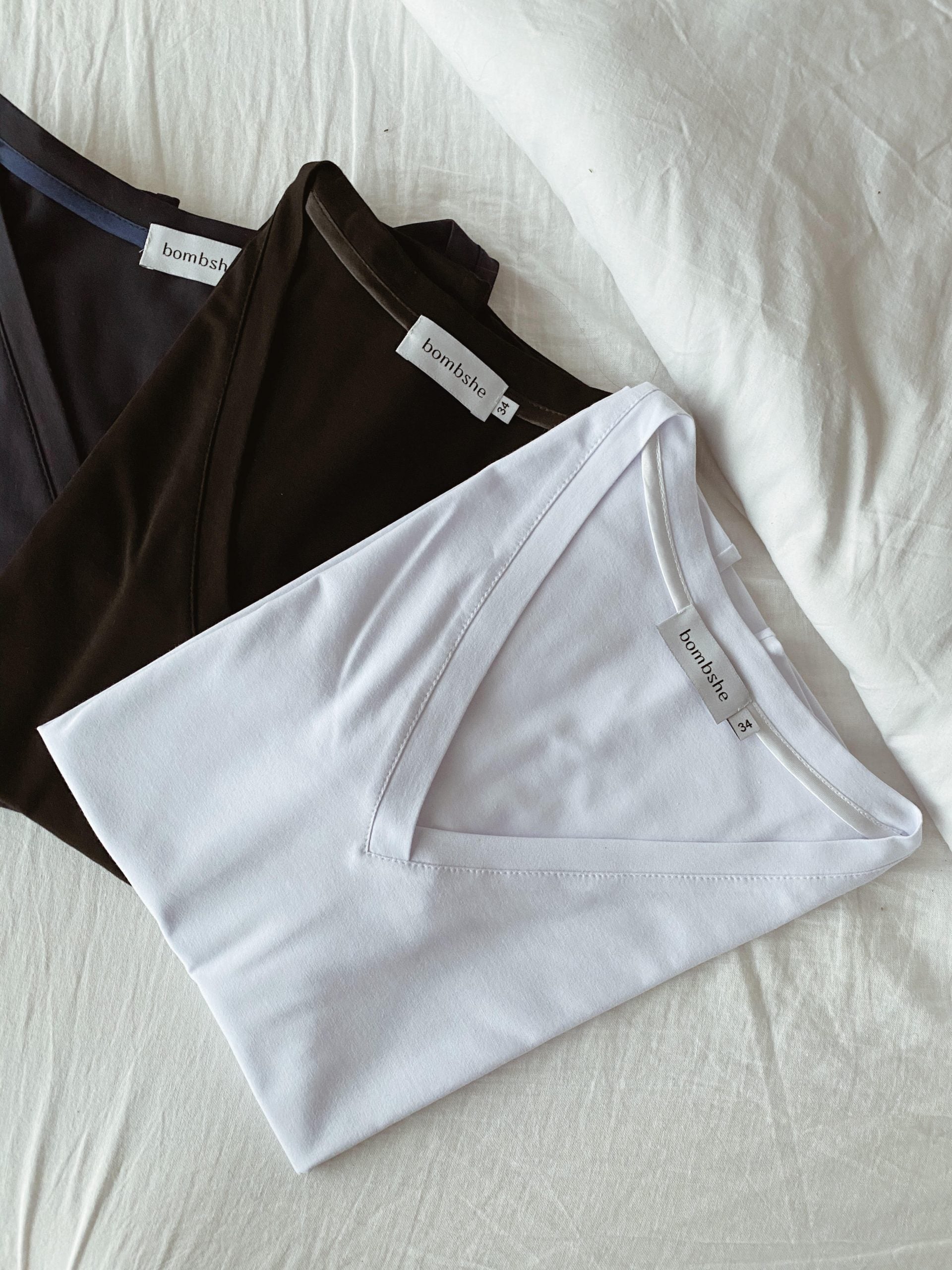
Acetate and viscose are synthetic materials, not to be confused with synthetic materials derived from petroleum. Recently, they have begun to replace polyester as consumers place greater emphasis on environmental and health issues. Clothing made from synthetic fabrics is impermeable to air, hindering proper thermoregulation. A humid environment, on the other hand, creates the perfect environment for yeast growth and increases the risk of fungal infections. When considering acetate versus viscose, it's important to consider their use. Both materials are often found in the same garment. Acetate, due to its shiny finish, is used as a lining, while viscose is used as an outer fabric. This combination is relatively common in jackets.
Viscose has both a matte and a shiny finish, and its fibers are also used in the production of knitwear. Acetate always imitates rayon. Both materials are favorably rated by allergy sufferers and those with highly sensitive sensory processing. Due to their softness and smooth structure, they remain extremely pleasant to the skin. Viscose wrinkles quite easily, requiring ironing. Acetate is more resistant to deformation. When reaching for an iron, it's worth remembering one important thing: Viscose garments, especially dark ones, should be ironed on the inside. Otherwise, they can develop shiny spots. Acetate rarely plays the leading role. It usually remains invisible to the naked eye as a lining. It is also used in hair accessories.
Acetate vs. Viscose – Similarities
Viscose and acetate are materials characterized by high hygroscopicity. This means they absorb water molecules, including sweat, thus ensuring proper thermoregulation. Clothes made from these fabrics are particularly popular in summer, as they pleasantly cool the skin. Many people notice a resemblance to silk when touching them, while their properties often compare them to airy cotton.
Viscose and acetate are two synthetic materials that have a smooth structure and relatively rarely pill. It's best to wash them at low temperatures (30 degrees Celsius) to prevent shrinkage. They tolerate common detergents well and take slightly longer to dry than synthetics due to their high sorption capacity. Viscose and acetate do not pollute the environment during washing, while polyester, acrylic, and nylon release microplastic particles into the wastewater. These synthetic materials absorb dyes very well, allowing for fabrics in a wide range of interesting shades.
Viscose vs. Acetate – Differences
Viscose is made from wood pulp. This popular fabric is primarily obtained from pine and spruce, but beech is also sometimes used. Acetate, on the other hand, is produced from cellulose flakes. Both materials are based on natural raw materials. The difference lies in the use of different solvents and production technologies. The cellulose flakes are treated with acetone, which is renowned for its non-toxic properties. Mineral oil is also added to protect the acetate fibers from sticking together and becoming static.
Due to the production technology used, viscose wrinkles more easily than acetate. When choosing this pleasant-to-the-touch fabric, it's worth investing in a steamer. This makes wrinkle removal much easier. Viscose and acetate are materials that often differ in finish. Viscose is usually matte, but also comes in satin and knit versions. Acetate, on the other hand, always resembles silk. Viscose is generally used as the outer layer of a garment, while acetate is most often used as a lining. Sometimes a blend of both fibers is used.
Acetate or Viscose? Bombshe's Verdict
Acetate or viscose – which material is better for clothing? There's no need to choose between these two fabrics, as they share many similarities. Moreover, they are used for different purposes. Viscose is typically found as the outer fabric in dresses, skirts, and jackets. These garments are backed with acetate to prevent them from being see-through.
Both materials allow for proper airflow while exhibiting greater hygroscopicity than cotton. They pleasantly cool the skin on hot days. They are appreciated by allergy sufferers and those with high sensory sensitivity, who often complain of uncomfortable and scratchy clothing. Although acetate was originally used as a lining, it is now increasingly used in evening gowns, as it resembles silk. Viscose also comes in various finishes. It is best to wear it in a matte finish for everyday wear, while for more formal occasions, it is available in a satin finish. It is best to choose viscose garments with an acetate lining. Acetate is also used in hair accessories, as it does not have static electricity thanks to the inclusion of mineral oil.
The market offers clothing made from a variety of materials. Some are well-known by name, as are their properties. Synthetic fabrics are the most controversial. Many people wonder: acetate or viscose? Both fibers are often found in the same garment, ensuring high comfort. Viscose and acetate are exceptionally skin-friendly thanks to their smooth texture. On hot days, they pleasantly cool the body, ensuring proper thermoregulation.