
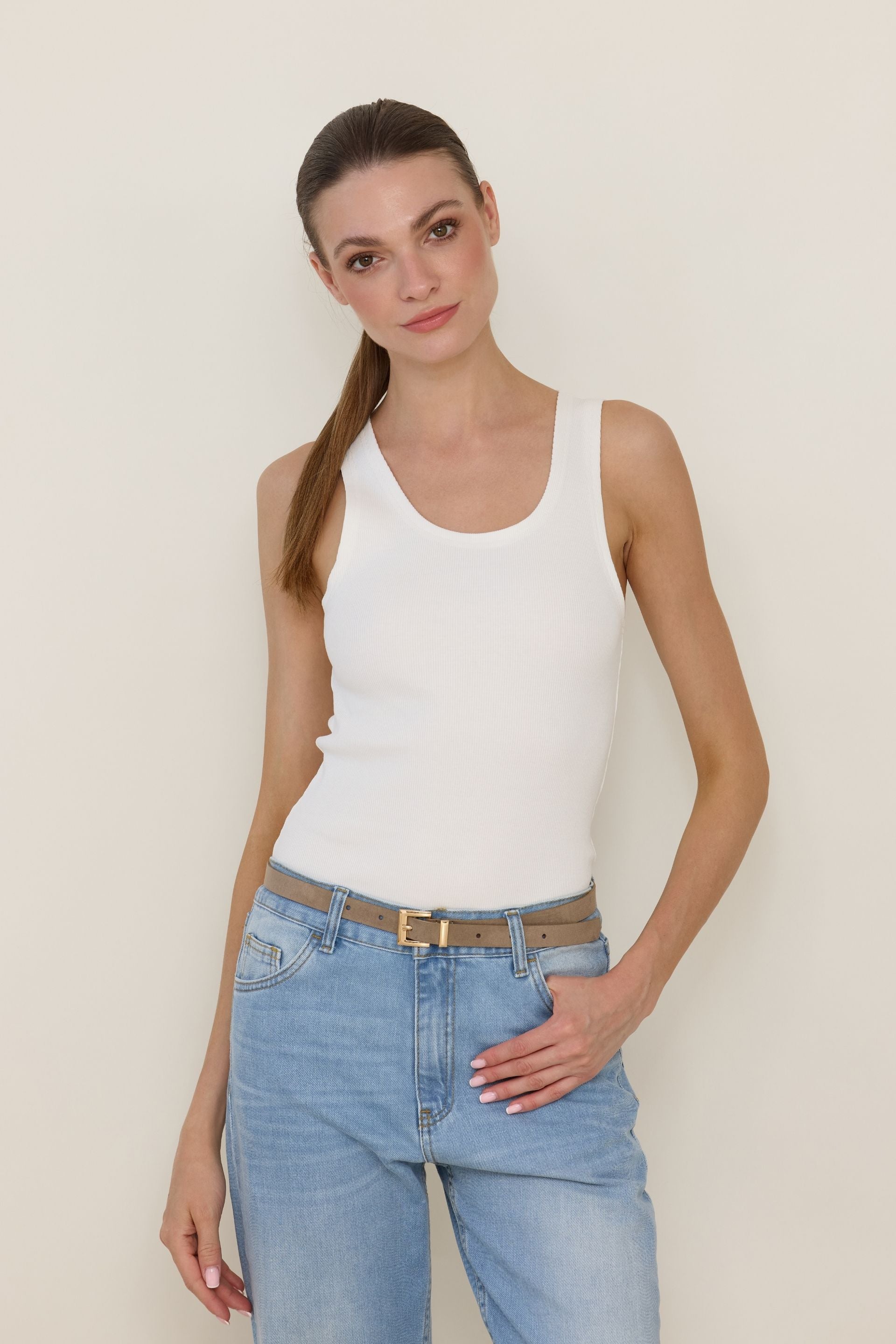
Elastane – properties and uses of the material
Elastane, also known as spandex, is an innovative fabric that has gained widespread recognition in the textile industry for its unique properties and versatile applications. This synthetic fiber is characterized by extraordinary elasticity and durability, making it an ideal choice for many clothing manufacturers.
With the sheer variety of materials available on the market today, it's hard not to get lost. It's important to know the basics about each fabric to provide your body with the best possible protection. Therefore, in this article, we'll take a closer look at elastane and its properties and uses to determine whether it's a good choice.
Elastane – what is it?
Elastane is a fiber with exceptional elastic and durable properties. What is elastane? It's a synthetic fiber that has gained immense recognition in the textile industry and has found widespread use in various fields. Few people know the exact characteristics of this fabric. Some of us associate it, for example, as an additive to jeans, significantly increasing their elasticity.
Surprisingly, elastane can be stretched up to 500% of its original length and then quickly return to its original shape. This remarkable property makes it an ideal material for clothing that requires freedom of movement and a perfect fit. For this reason, it is often used in sportswear, which requires a close-fitting fit, as well as swimwear, as elastane dries quickly, which is important for beachwear.
In addition, elastane is also characterized by high durability and resistance to external factors such as moisture and UV light. This makes the material exceptionally durable and retains its properties for a long time. Due to its properties, elastane is widely used not only in clothing but also in the production of underwear, tights, gloves, and even in the medical industry as stabilizing belts. But that's not all. Learn all the properties of elastane, which we present in the next section.
---Elastane – fabric properties
The characteristic that many people associate elastane with is primarily its excellent ability to stretch and return to its original shape. This makes fabrics containing elastane incredibly elastic and resilient. This means that clothing made from this material fits the body perfectly, flattering the figure and ensuring comfort.
Another important property of elastane is its durability. The material is known for its resistance to stretching, meaning it retains its shape and properties even after intensive use. Fabrics containing elastane don't deform easily, making them truly durable. Furthermore, elastane is also resistant to mechanical damage, such as abrasion and pilling. It's particularly useful for swimwear, as it's resistant to oxidation and sunlight.
Elastane – material composition
Elastane is a synthetic fiber, meaning it's not made from natural raw materials. So where does elastane come from? It's made from rubber, primarily containing polyurethane. In clothing production, elastane fiber is typically blended with other natural or man-made fibers, such as cotton, polyester, or nylon, to create a fabric with specific properties. Typically, around 2-10% elastane is used in the blend to achieve the desired elastic properties. This gives the fabric extraordinary elasticity, allowing it to stretch and then return to its original shape.
This is a particularly desirable addition to denim, which is generally very stiff. This unique blend of elastane and other fibers makes elastane fabrics so popular in clothing production, providing comfort and freedom of movement for wearers. It is elastane, an inherent component of many garments, that gives them their extraordinary properties, ensuring that garments made from this material fit the body and provide comfort even during long hours of wear.
---Elastane – opinions about the fabric
Thanks to this reading, you've probably learned a bit more about elastane. User reviews available online can be a valuable source of inspiration and prove extremely helpful in making your final decision. It's worth noting that both fashion designers and consumers appreciate this fabric for its extraordinary elasticity and excellent fit. Clothing made with elastane is often praised for its freedom of movement, which is especially important for sportswear. Furthermore, elastane is valued for its durability, resistance to stretching, and ease of care.
Fabrics containing elastane are typically comfortable, wrinkle-resistant, and quick-drying, making them practical and comfortable to wear. However, it's important to remember that despite its positive attributes, elastane is a fully synthetic material, so it should only be used as a small addition to clothing. These materials can contain harmful chemicals and, therefore, cause skin irritation. When choosing clothes, it's best to prioritize natural fabrics, which will benefit not only your body but also the planet.
---Elastane – frequently asked questions
In this Q&A, we'll cover the most frequently asked questions about elastane and try to provide concise answers to dispel any doubts and provide detailed information about this material. You'll learn, among other things, whether elastane is healthy and how to care for it.
Is elastane healthy?
First of all, it's important to note that elastane is a synthetic fiber often made from harmful chemicals. Contact with this type of fabric can cause irritation. Therefore, if you have sensitive skin, it's recommended to test your skin's reaction before prolonged contact with fabrics containing elastane. It's worth noting that elastane usually constitutes a small percentage of the composition, so in most cases, its use won't have any negative effects on the skin. However, considering its origin, it's recommended to choose other, natural fabrics with similar properties.
Does elastane stretch?
Yes, elastane is known for its exceptional ability to stretch. It can stretch up to 500% of its original length and then quickly return to its original shape. This elasticity makes it ideal for clothing that requires freedom of movement and a perfect fit. This extraordinary property of elastane makes it an indispensable material for sportswear, swimwear, leggings, and tights. Furthermore, it ensures that clothes retain their original shape and stay in good condition for a long time.
Why does elastane shrink?
Elastane can shrink when exposed to high temperatures, such as hot water or high drying temperatures. Therefore, it's important to follow the washing and drying instructions on the labels of garments containing elastane. Washing at up to 30°C and drying appropriately will help preserve the elastane's properties and prevent shrinkage.
Elastane – advantages and disadvantages
We discussed all the characteristics of elastane in the above article in the section: Elastane – Properties. Among its advantages are exceptional elasticity, excellent fit, durability, and resistance to stretching. However, it's important to remember that elastane is a synthetic fabric, which many people consider a significant drawback. This means it's a chemical fiber that may contain harmful substances. For this reason, it's worth limiting contact with elastane and choosing natural fabrics with similar properties.
Elastane and washing
When washing fabrics containing elastane, it's recommended to use mild detergents and low temperatures (up to 30°C). It's important to avoid bleach and harsh chemicals, which can damage the garment. Washing the fabric inside out and avoiding high-temperature drying will help maintain the elastane's properties and prevent it from deforming. Before washing, it's important to read the care label and follow the manufacturer's recommendations to enjoy your garment for as long as possible.
Elastane and cleaning
For fabrics containing elastane, it's recommended to follow the manufacturer's care instructions on the care label. Machine washing is acceptable, but as with most materials, lower temperatures are recommended. If in doubt or if the label is missing, consult a professional, such as a specialist laundry, for appropriate cleaning instructions.
As you can see, elastane has many properties that make it such a popular choice among clothing manufacturers. It certainly has many positive aspects, but as we've already mentioned, it's important to remember that it's a synthetic fiber, which isn't as good for our bodies and the planet as natural fibers. Fortunately, elastane is usually added only in small amounts to achieve the desired material properties. If you'd like to learn more about other materials, be sure to check out our other posts. You'll find plenty of interesting information and fashion inspiration there. Also, check out our store, where we offer ethical fashion in classic styles. We invite you to visit!