How to care for your clothes? Washing tips and symbols.
Proper clothing care, knowledge of fabrics, washing symbols, and proper storage are crucial here. How can we ensure our clothes retain their good looks for a long time? You'll learn all about it in today's post.
Properly caring for your clothes will allow you to enjoy their good looks longer, so you won't feel like you've wasted your money. It's up to you which fabrics you choose and how you care for them. Conscious fashion is demanding, because not only do you pay attention to the ingredients in the clothes you buy and scrutinize the brands that sell them, but you also have to put more effort into properly caring for them. However, this shouldn't discourage you from investing in good quality. Just remember a few rules, and even the most delicate fabrics will last a long time.
Type of material and clothing care
The first and most important consideration is the type of material. We wrote about fabrics and their properties on our blog ( here ) some time ago, but if you missed that post, we encourage you to check it out and consolidate your knowledge on the subject. Knowing how a given material behaves makes it much easier to care for it.
Synthetic fabrics, such as polyester, acrylic, and nylon, require the least attention. They don't tend to wrinkle and are difficult to damage in the washing machine or dryer. They are the most durable fabrics, remaining looking good even after several years. Despite these enormous advantages, they aren't the best choice for our skin or the environment.
Natural fabrics like wool, silk, and linen are most susceptible to lack of proper care. A small mistake in washing (especially too high a temperature or spin speed) or storage can completely ruin a garment and discourage us from purchasing these materials again. However, they are undoubtedly worth learning how to care for, as they possess unique properties.
Synthetic fabrics, such as viscose, modal, and Tencel, are, to put it simply, easier to care for than natural fabrics. Moreover, they're still safe for our skin. This is a good group of materials to start your adventure with better fabrics and learn how to properly care for your clothes.
---Laundry symbols
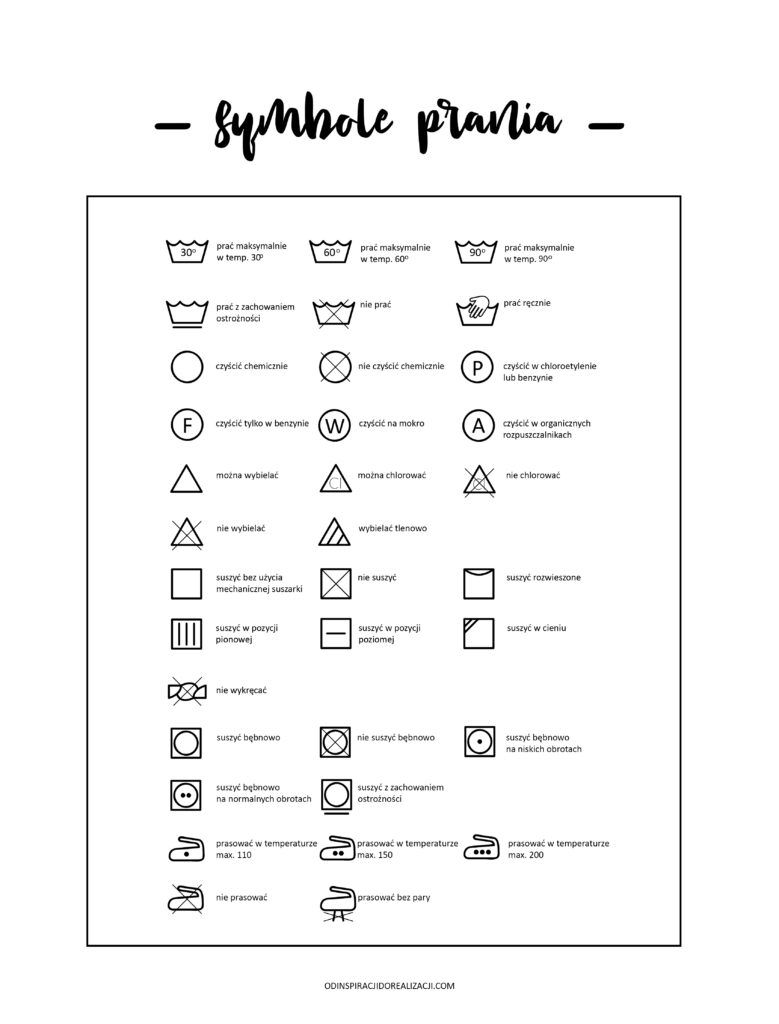
Getting down to specifics, regardless of general knowledge about how to care for a given type of fabric, it's worth reading labels and understanding the washing symbols. These symbols provide very specific instructions on how to wash, iron, dry, and clean a given item. Cotton jeans will require different care than a cotton sweater. To help you navigate the maze of different symbols appearing on labels, we've included a table below explaining them.
Clothes storage
Another important issue that affects the lifespan and appearance of our clothes. Now that we know how to care for individual fabrics and are familiar with the washing symbols, it's time to learn how to store them. Clothes, especially those made of premium materials, require special treatment. Proper clothing care also involves organizing our wardrobe.
It's best to observe for yourself how a given storage method affects the appearance of your clothes, but there are general rules worth following. Firstly, sweaters tend to stretch, so it's definitely better to keep them folded on a shelf. Secondly, you can hang jackets, coats, jackets, T-shirts, and some dresses on hangers. If you have special hangers for trousers or skirts, this is also a safe way to store them. Be careful with blouses, dresses, and shirts made of natural or synthetic fabrics, especially if they have long sleeves, as they can warp on the shoulders from the hangers. Thirdly, grouping clothes by color is very helpful. This way, there's no risk of lint from a black sweater getting on a white blouse. Fourthly, clothes typically worn for a given season, if they haven't been worn for several months, should be protected from dust and stored in a dry place.
---Tips
Finally, a few tips based on our experience in caring for clothes:
- Before washing, we check the contents of the pockets.
- We wash clothes grouped by color and turned inside out.
- We wash white clothes at 30 degrees, because higher temperatures will make them turn gray faster.
- We try to choose powders without colored particles, because they can also cause white fabrics to turn gray.
- If we are unsure about the appropriate washing temperature, we always choose the lower one.
- Hand washing can be replaced with a special hand washing program in the washing machine, but it is worth testing it first, because in case of damage, you lose the right to complain.
- Dry clothes in the shade so they retain their color longer.
- When wearing dark clothes, always carry a lint roller with you.
- Sweaters and coats that pille (which is a completely natural process in the case of some fabrics) should be shaved regularly with a special comb or shaver.
- Clothes stored on a shelf should be ironed only before being worn to avoid double exposure to high temperatures.
- Before ironing, turn clothes inside out.
- When picking up items from the laundry, we always carefully check their condition so that we can react immediately if something goes wrong.
That's all for now! We hope today's post will help you develop good clothing care habits. Remember, proper clothing care will help you enjoy their good looks for longer.